Principals, Here’s How to Have Hard Conversations with Younger Teachers
September 25, 2017
Read Jennifer's guest blog column for Learning Forward on how principals can have hard conversations with younger teachers.
Excerpt:
Principals often tell me their entire workday is filled with fires to extinguish, a few challenging parent interactions, and a load of hard conversations. Some feel those communications are routine and don’t find them too difficult: “I don’t have any hard conversations in my inbox; I handle them all.” Others take them home, repeat them on a loop, and make themselves sick over what they should have said or must say tomorrow.
Whether you more often find yourself in the former group or the latter, every school leader can benefit from a few new ideas to simplify hard conversations and handle them effectively.
About Jennifer Abrams
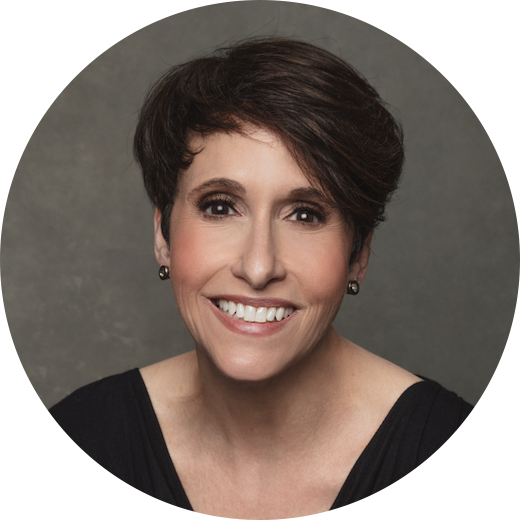
Jennifer has been recognized as one of "21 Women All K-12 Educators Need to Know" by Education Week's 'Finding Common Ground' blog. She considers herself a "voice coach," helping others learn how to best use their voices – be it collaborating on a team, facilitating a group, coaching a colleague, supervising an employee and being an all around better human being in all types of interactions.
Work with Jennifer
Praise for Jennifer
“I can’t imagine how much positive impact Jennifer has had in countless schools over many years. I still lean heavily on the learning she bestowed so graciously at our school in Shanghai all those years ago. Stretching the edges and providing bombproof strategies to help us all overcome the most common and difficult challenges…what a legacy!”